Why Kids Should Wear Socks in Home Play Areas
Why Kids Should Wear Socks in Home Play Areas
Kids should wear socks in home play areas to reduce slipping, protect against cuts and blisters, improve hygiene, and provide light cushioning during active play. Grip socks are especially helpful on smooth floors.
Should Kids Wear Socks While Playing at Home?
Yes. Wearing socks at home:
Reduces slipping on smooth floors
Protects feet from small toys and rough surfaces
Helps prevent blisters and minor cuts
Improves hygiene
Adds light cushioning and stability
For active kids, socks are a simple safety layer.
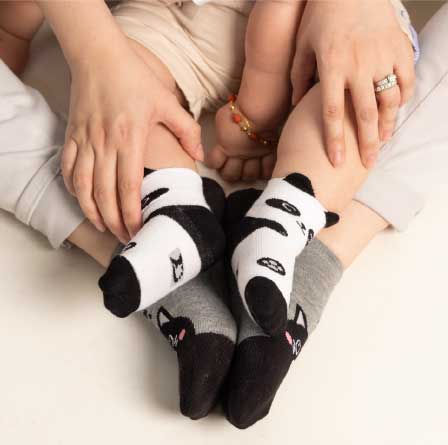
1. Hygiene: A Simple Protective Barrier
Children’s feet contain thousands of sweat glands. Moisture builds up quickly, especially during play.
Without socks:
Sweat sits directly on the skin
Dirt sticks to damp feet
Bacteria can grow more easily
Socks act as a barrier between the foot and the floor. They help absorb moisture and keep feet cleaner.
Practical tip:
Choose breathable cotton or moisture-wicking blends to prevent sweaty buildup.
2. Slip Prevention on Smooth Floors
Tile, wood, and laminate floors can be slippery.
Bare feet may grip better than regular socks, but standard socks can slide. That’s where grip socks help.
Grip socks:
Have rubberized patterns on the sole
Improve traction
Reduce fall risk
Work well when kids aren’t wearing shoes
They’re especially useful in homes with polished floors.
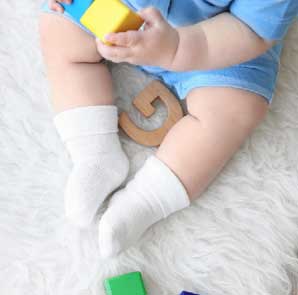 3. Protection from Small Toys and Sharp Edges
Home play areas often include:
LEGO blocks
Doll accessories
Action figures
Puzzle pieces
Even small plastic edges can cause minor cuts or discomfort.
Socks add a thin layer of protection against:
Stepping on scattered toys
Friction from carpet
Minor scrapes
They won’t replace shoes, but they reduce everyday risks.
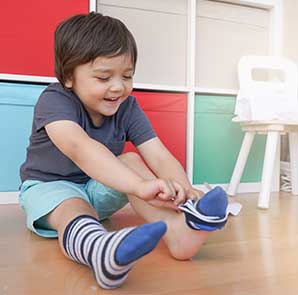 4. Cushioning for Active Movement
Kids rarely walk calmly during play. They:
Jump
Run
Climb
Slide
Light cushioning in socks helps absorb minor impact. It won’t replace proper footwear for outdoor play, but indoors it provides enough padding for everyday movement.
Look for socks with:
Reinforced heel
Slightly cushioned footbed
Snug but flexible fit
Having socks on provides extra padding and stability
It’s already expected that given their energy level during playtime, children will be doing a lot of explosive movements. They’ll do a lot of jumping, running, climbing, sliding that may have an impact on the feet. A little extra protection and safety net is always a good idea.
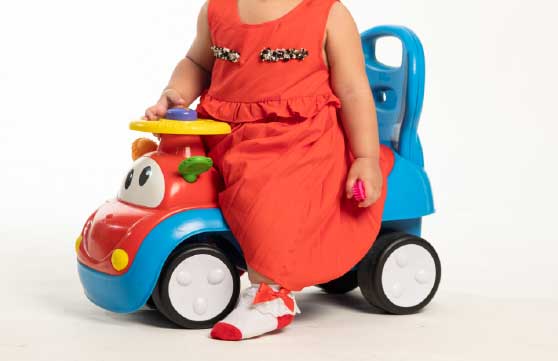 5. Supporting Natural Foot Development
Children need freedom of movement for healthy foot growth.
Well-fitting socks allow:
Toe movement
Natural grip reflex development
Balance practice
Avoid overly tight socks that restrict circulation or leave deep marks.
Choosing the Right Socks for Indoor Play
Not all socks are ideal for active indoor use.
Look For:
Breathable cotton or moisture-wicking blends
Snug fit that doesn’t bunch
Grip soles for smooth floors
Reinforced heel and toe
Soft, non-binding cuffs
If your child constantly pulls socks off, the fit may be wrong.
When Should Kids Wear Shoes Instead?
Socks are helpful for:
Indoor play
Light activity
Controlled environments
Shoes are better for:
Outdoor play
Rough surfaces
Sports
Climbing playground structures
Socks are protection. Shoes are structural support.
Frequently Asked Questions
1. Are socks safer than going barefoot indoors?
In many cases, yes. Socks help reduce minor cuts and improve hygiene. Grip socks also reduce slipping on smooth floors.
2. Do kids need grip socks at home?
If your floors are tile or hardwood, grip socks are helpful. On carpet, regular socks may be enough.
3. What socks are best for active kids?
Breathable, well-fitted socks with reinforced construction work best. Brands like Darlington and Exped offer kids’ socks designed for comfort, durability, and active movement.


