Why Kids Should Wear Socks With Their Shoes
Why Kids Should Wear Socks with Shoes
Kids should wear socks with shoes to improve hygiene, prevent blisters, support foot development, and protect against temperature and surface hazards. Socks and shoes work together to keep growing feet comfortable and safe.
Should Kids Wear Socks with Shoes?
Yes. Kids should wear socks with shoes because socks:
Absorb sweat and reduce odor
Prevent friction and blisters
Add cushioning and comfort
Protect against bacteria buildup
Improve overall shoe fit
Shoes protect from impact. Socks protect from friction and moisture. Both are necessary.
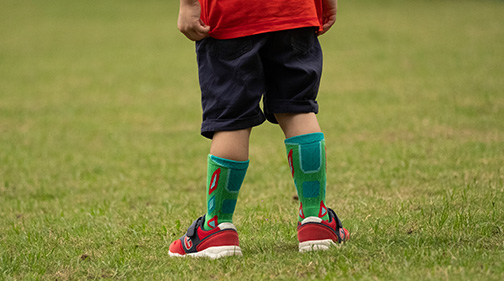 1. Hygiene Comes First
Children’s feet sweat. When shoes are worn without socks, moisture stays trapped inside.
That can lead to:
Odor buildup
Bacterial growth
Skin irritation
Fungal issues
Socks act as the first barrier between the foot and the shoe interior.
Practical tip:
Choose breathable cotton or moisture-wicking blends. Change socks daily, especially after active play.
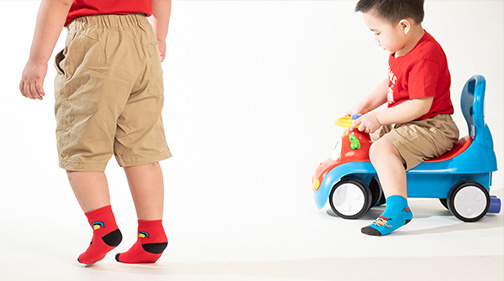 2. Preventing Blisters and Friction
Shoes alone don’t prevent rubbing. In fact, direct contact between skin and shoe lining increases friction.
Socks help by:
Reducing skin-to-shoe rubbing
Creating a smoother surface
Preventing hot spots on heels and toes
If your child complains about heel pain or red marks, check the sock fit first.
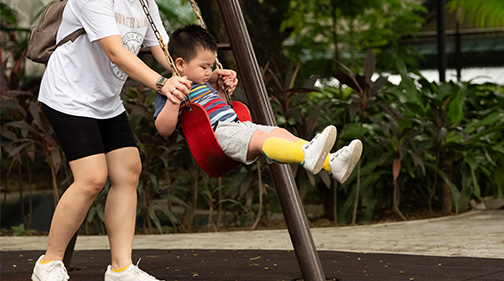 3. Supporting Foot Development
Children’s feet are still developing. Proper support matters.
When worn together, socks and shoes:
Improve overall stability
Help shoes fit more securely
Reduce slipping inside the shoe
Support natural toe movement
A well-fitted sock allows children to move freely while maintaining grip and balance.
Avoid socks that are too tight, they should not leave deep marks around the ankle.
4. Protection from Temperature and Surfaces
Socks add insulation inside shoes.
They help protect against:
Hot pavement
Cold floors
Rough playground surfaces
Small objects inside the shoe
Even indoors, children can step on scattered toys. Socks provide a thin but helpful protective layer.
We all know how painful stepping on a Lego piece can be.
5. Improving Shoe Fit
Shoes are typically designed to be worn with socks.
Without socks:
Shoes may feel loose
Feet may slide forward
Toes may hit the front of the shoe
Sweat may cause slipping
Socks create a more secure and stable fit inside the shoe.
If your child’s shoes feel slightly loose, proper socks can improve comfort without resizing.
Frequently Asked Questions
1. Is it bad for kids to wear shoes without socks?
Yes, regularly wearing shoes without socks can increase friction, odor, and bacterial buildup.
2. What type of socks are best for active kids?
Breathable, well-fitted socks with reinforced construction and cushioning work best for daily activity.
3. How many pairs of socks should a child have?
At least 7–10 pairs to allow daily changes and proper washing rotation.
Conclusion
Socks and shoes are not separate choices. They work together.
Shoes handle impact and external protection. Socks manage moisture, friction, and comfort inside the shoe. For growing feet, both layers matter.
For durable, comfortable kids’ socks designed for everyday wear, explore the collections from Darlington and Exped. The right pair helps your child move freely without foot discomfort getting in the way.


