How to Last a Full Basketball Game Without Burning Out
6 Tips to Last a Full Basketball Game Without Burning Out
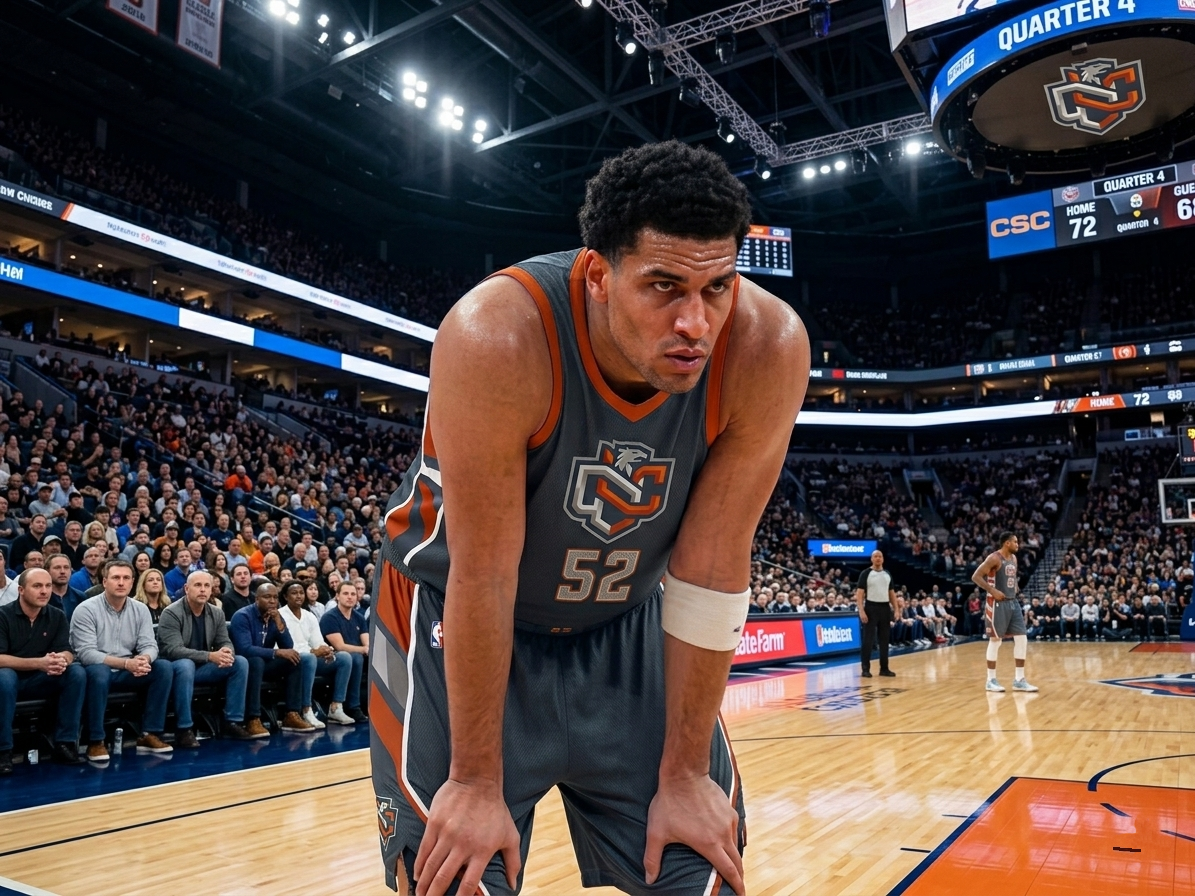
You don’t notice it at the start. In the first few minutes, your legs feel fresh. You’re running, cutting, calling for the ball. Everything feels normal.
Then halfway through the game, it hits. You’re slower on defense. Your shots fall short. You take longer to get back on a fast break.
That’s what burning out looks like in a full basketball game. And it happens faster than most players expect, especially in Philippine conditions.
 Why Players Burn Out Faster Than They Think
A full game is different from casual play.
You’re not just moving. You’re repeating high-intensity actions over and over:
sprinting down the court
stopping hard on defense
changing direction constantly
Add the heat, and it becomes harder to sustain. In the Philippines, games often take place in 30°C+ weather, even on covered courts. Humidity makes it worse. You sweat more, lose more energy, and recover more slowly between plays. That’s why even experienced players feel drained earlier than expected.
1. Pacing Matters More Than Effort
One mistake players make is going all out too early. You try to match the fastest player on the court. You chase every play. You sprint every possession.
It works for a few minutes. Then your energy drops. Lasting a full game is about pacing. Knowing when to push and when to hold back.
Simple adjustments help:
Don’t sprint every possession unless needed.
Stay in position instead of over-rotating.
Let the game come to you.
You don’t need to be everywhere. You just need to be effective.
2. Hydration and Recovery Between Plays
Most players only think about water when they’re already tired. That’s too late.
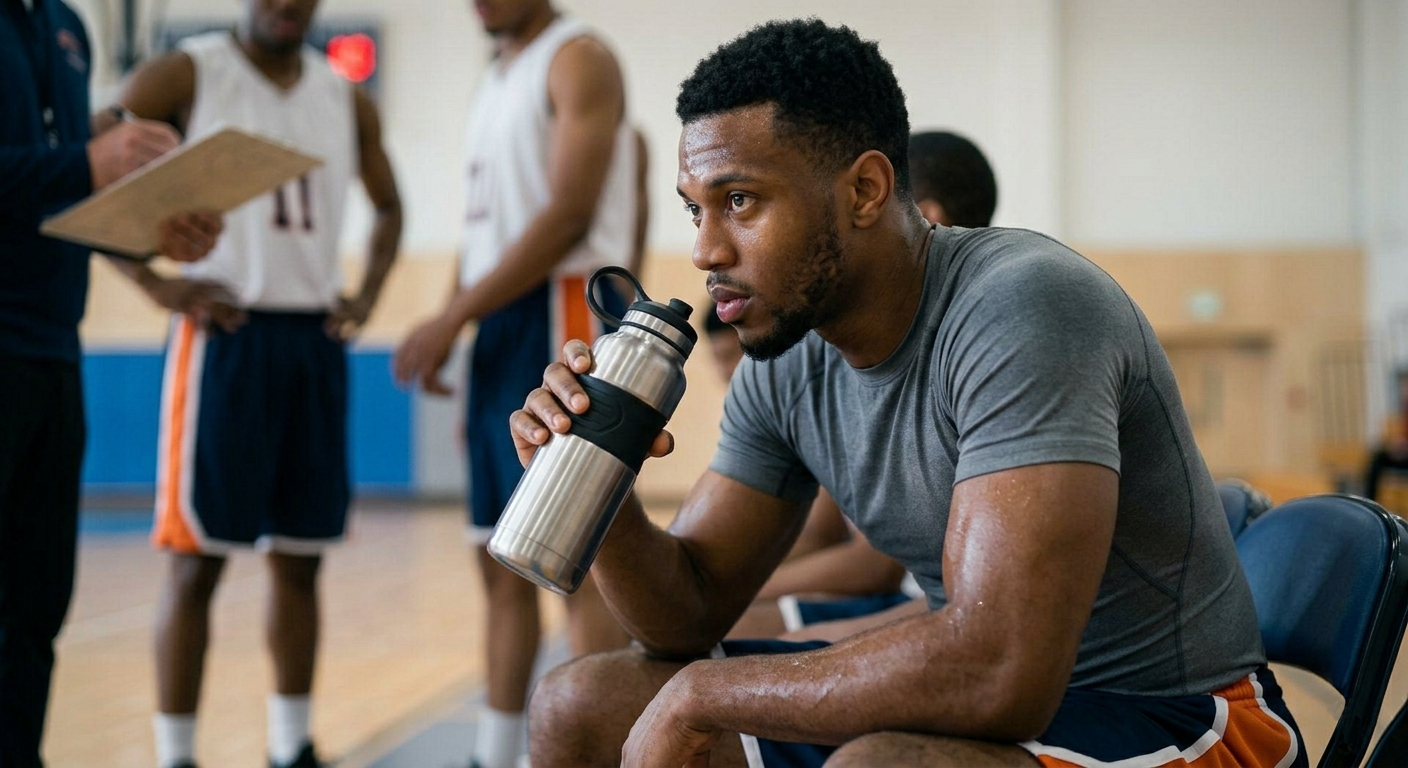
Once you’re dehydrated, your performance drops fast. Your legs feel heavier. Your reaction time slows down. Take small breaks seriously. Even short stoppages matter.
Drink water regularly, not just during timeouts. And don’t wait until you feel exhausted before stepping out for a breather.
 3. Your Movement Becomes Less Efficient
As fatigue sets in, your movement changes. You start landing heavier. Your steps become slower. Your balance feels slightly off.
That’s where small inefficiencies build up. Instead of clean movements, you waste energy correcting your footing or adjusting your position. Over time, that drains you faster than the actual game.
4. Staying Comfortable from the Ground Up
Staying comfortable from the ground up helps you last longer, especially in long games. Most players focus on shoes, and that’s important. You need grip, cushioning, and support.
But what’s inside your shoes affects how those features perform.
During a game:
Your feet sweat heavily.
Friction increases with movement.
Your footing shifts during quick cuts
If your socks don’t handle that well, you start feeling it. Your feet get hot. Your steps feel less stable. You adjust more than you should.
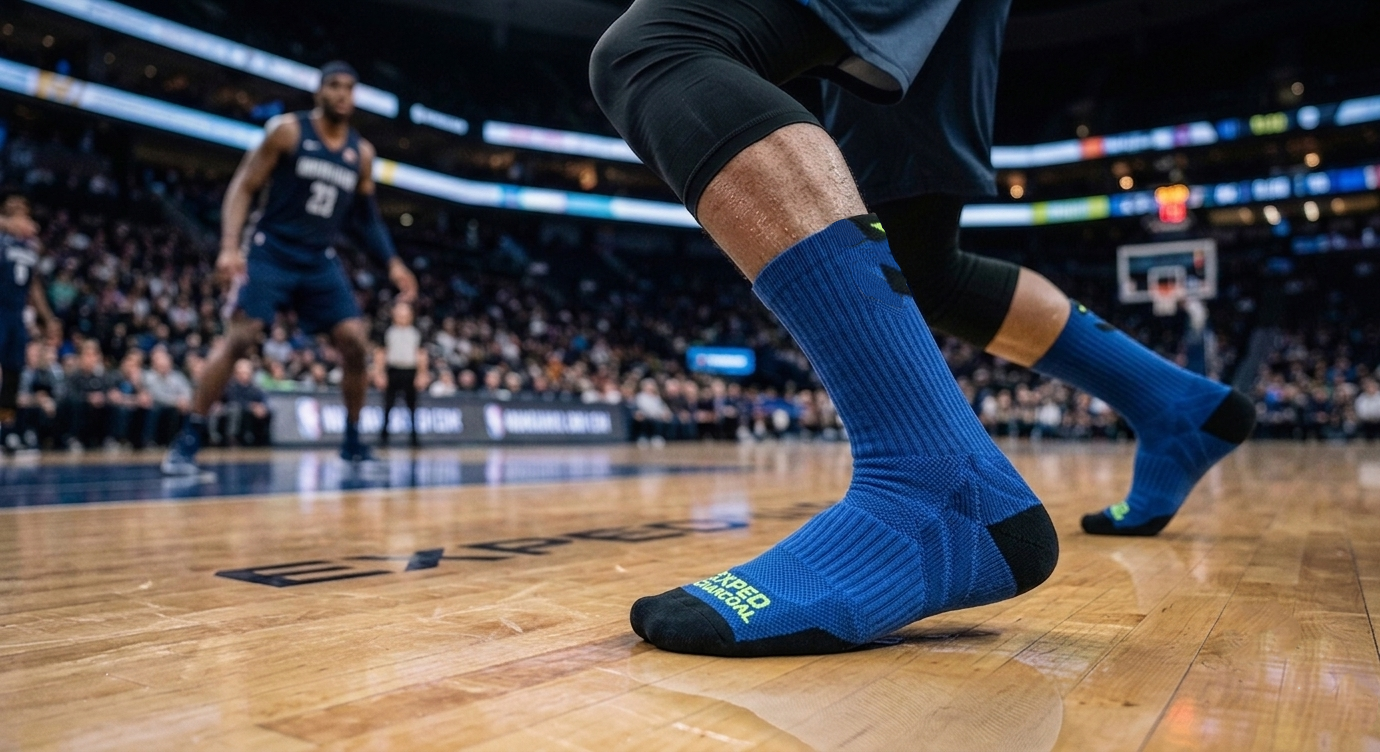
That’s where performance socks like Exped come in.
They’re built for active movement. Breathable fabric helps manage heat. A secure fit keeps the sock in place. Cushioning reduces repeated impact on hard courts.
It’s not something you think about at tip-off. But by the second half, it makes a difference.
 5. Play Smarter, Not Just Harder
Lasting a full game isn’t about being the fastest player. It’s about managing your energy. Watch how experienced players move. They don’t rush every play. They conserve energy, then use it when it matters.
You can do the same:
Move with purpose.
Avoid unnecessary sprints.
Stay composed under pressure.
Efficiency keeps you in the game longer.
 6. Know When to Step Back In
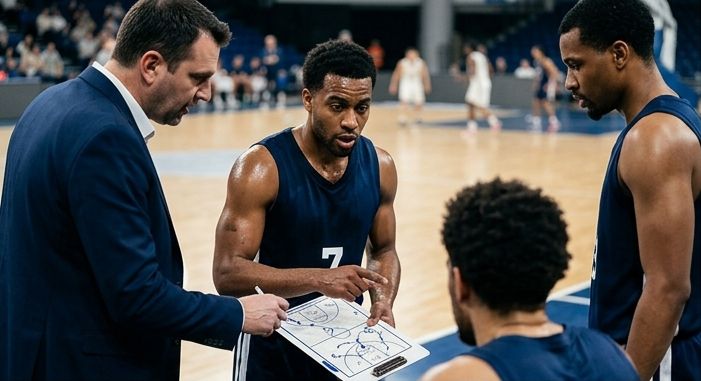
Rotations matter, even in casual leagues. If you feel your energy dropping too fast, take a short break. It’s better to reset than stay on the court and become ineffective. A quick rest can bring back enough energy to finish strong.
Final Thought
Burning out in a full basketball game isn’t just about conditioning. It’s a mix of pacing, awareness, and how well you manage the small details during the game.
Some things are obvious, like hydration and effort. Others are easy to overlook, like comfort and stability. But when you put it all together, those small factors help you stay consistent from the first quarter to the last.


